A Life Before and Beyond the White Coat
A chronological story of the experiences that shaped the person: with medicine appearing as one powerful chapter inside a larger human journey.
Before medicine, there was a home
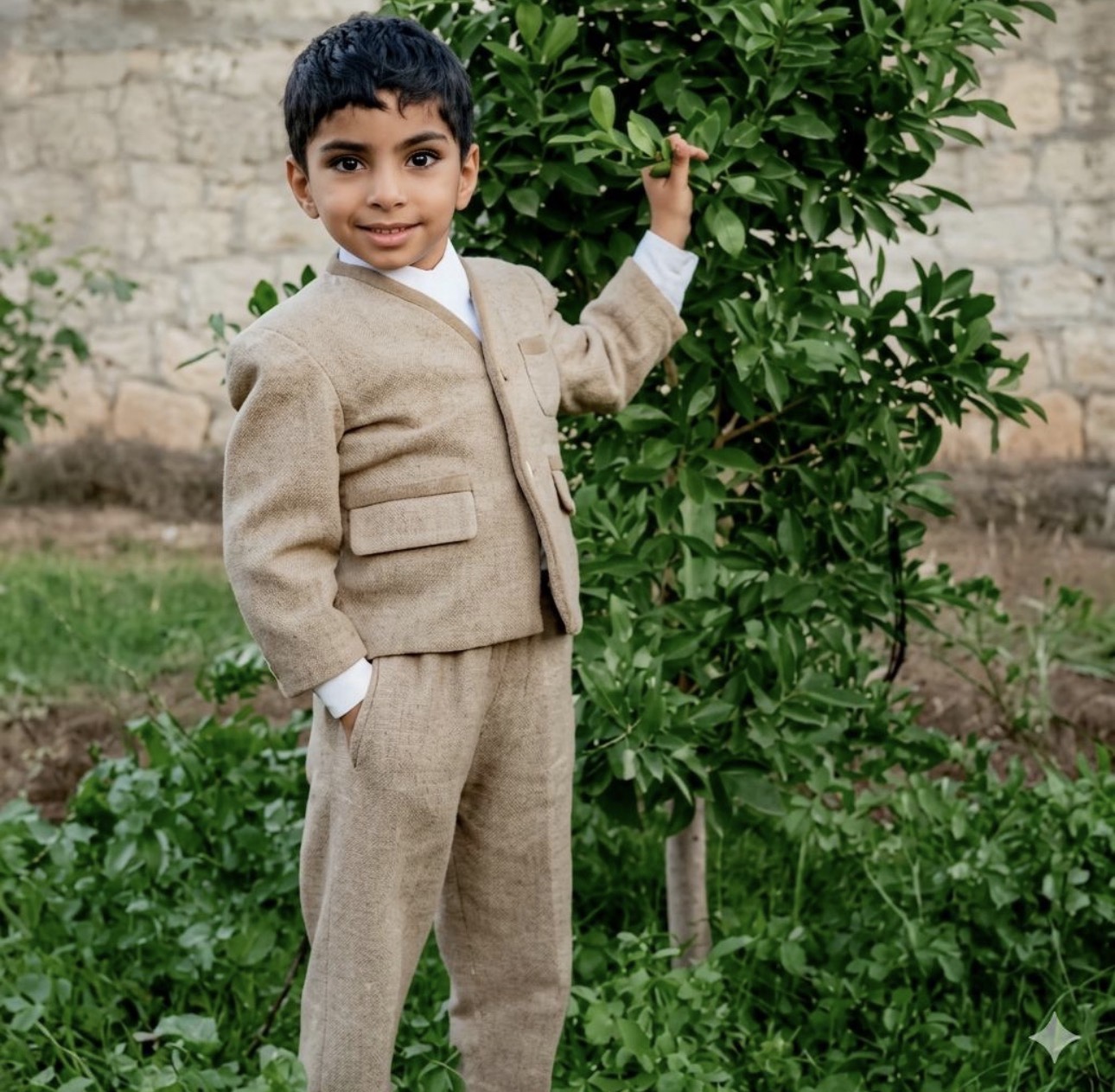
Discipline, language, reading and responsibility entered early through family life. His father represented duty and public service; his mother brought order, precision and an affection for language that later echoed in both the operating theatre and the written word.
Lineage as inheritance and responsibility
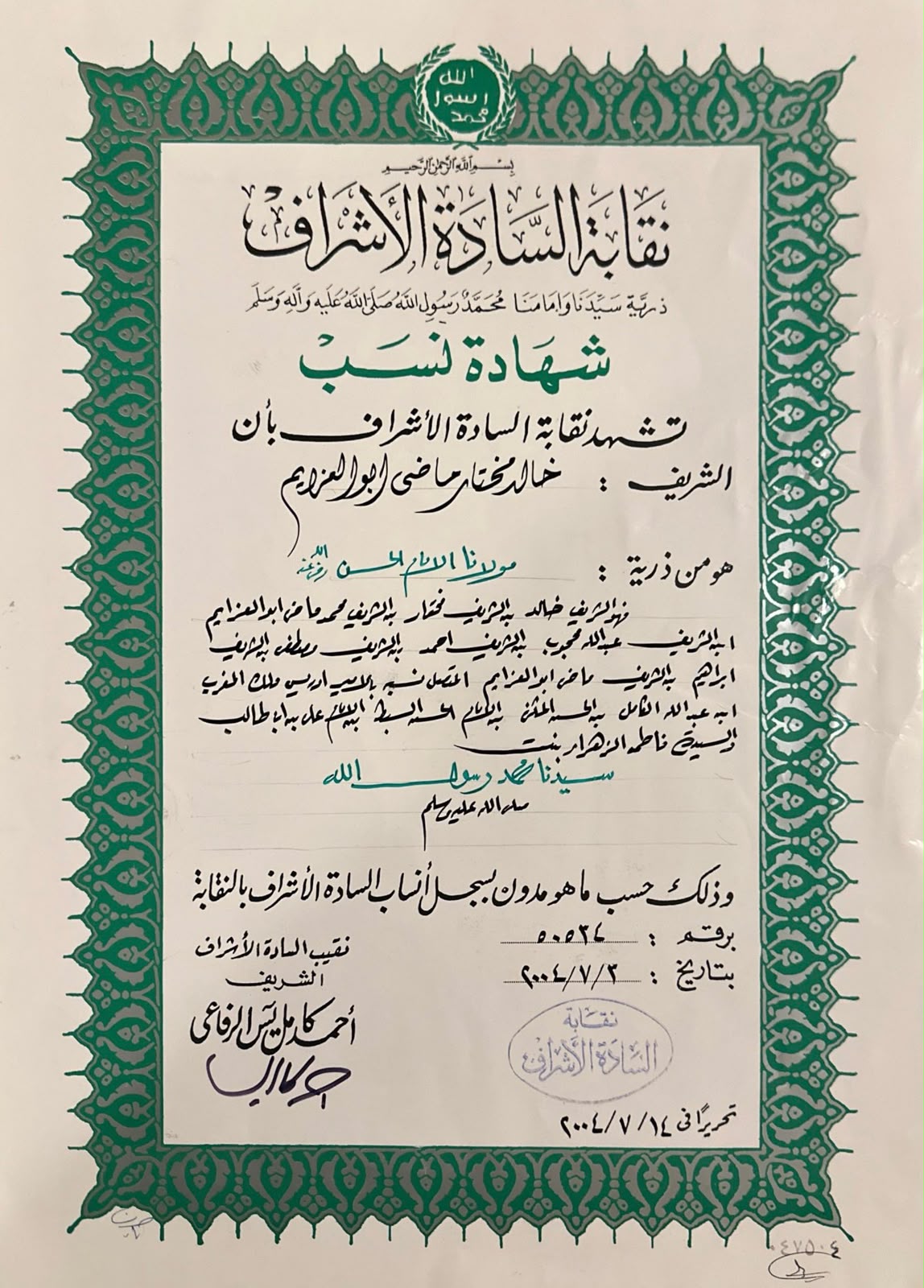
The family record includes a certificate issued by the Egyptian Syndicate of Ashraf documenting the family’s Sharifian lineage through Imam al-Hasan ibn Ali. Within this life story, lineage is presented not as a claim of personal merit, but as an inherited responsibility: a reminder that a name acquires meaning through character, service and what each generation adds to what it received.
Document: Certificate of lineage from the Syndicate of Ashraf, Egypt.
Between the mosque and the school
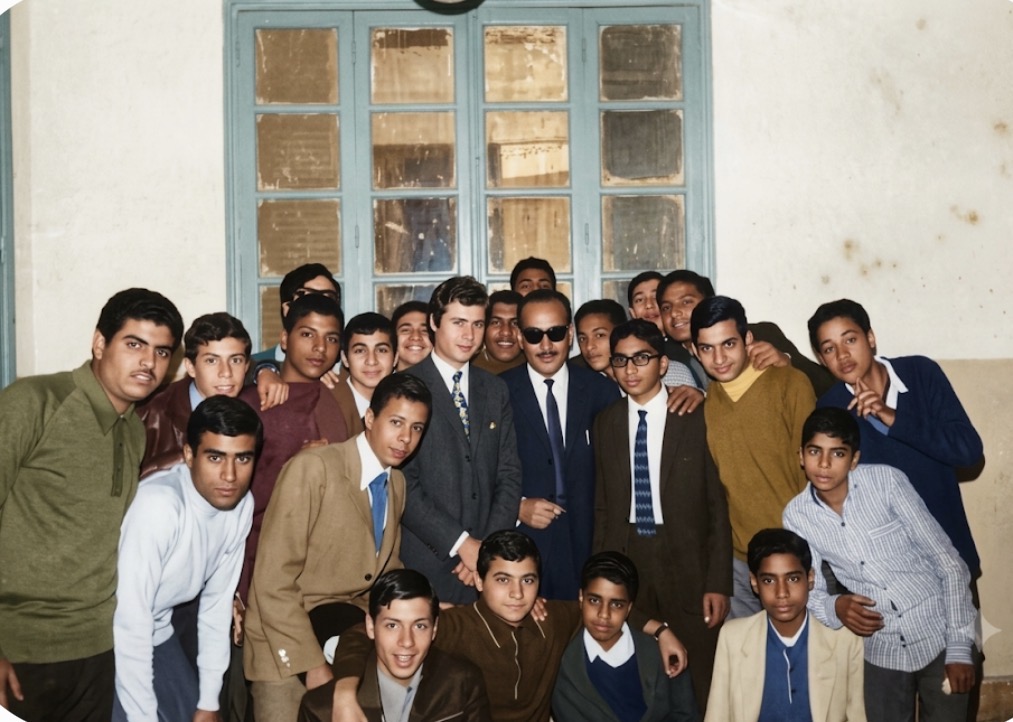
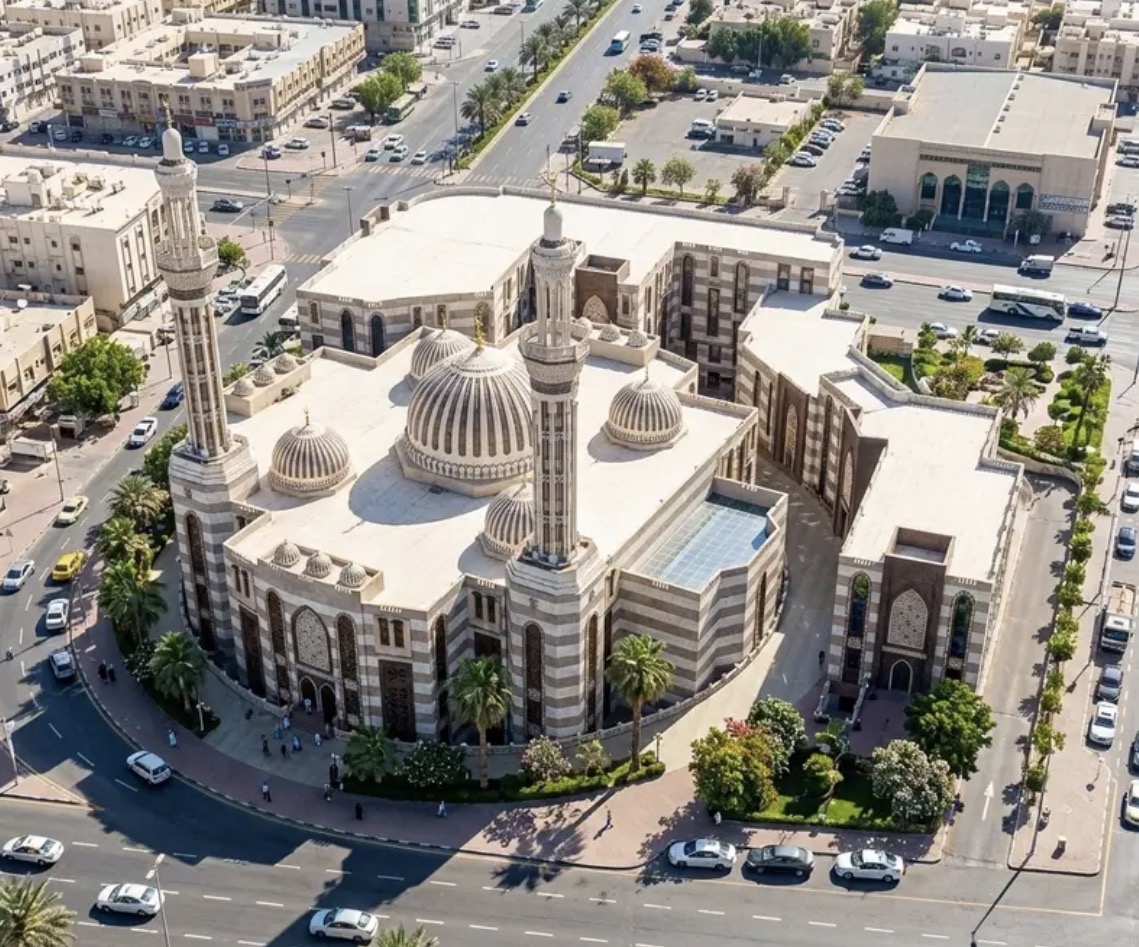
From primary school through secondary education, Qur’anic study at the Imam Abu-El-Azayem Mosque accompanied formal schooling. The mosque cultivated rhythm, language, discipline and meaning; the school cultivated curiosity, achievement and the pleasure of understanding.
Medicine enters the story
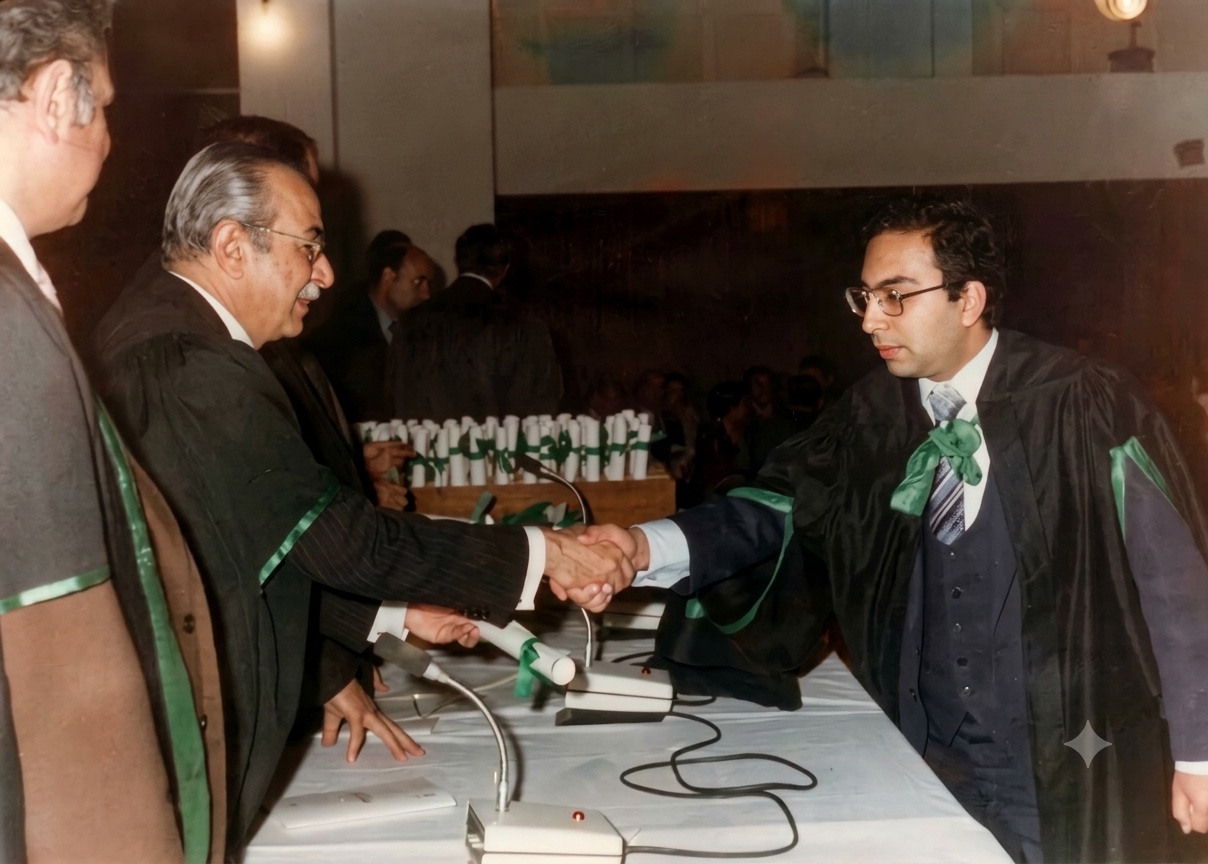
Graduation from Cairo University marked the beginning of the formal medical career. Yet the deeper shift came when textbook knowledge met the patient: science became inseparable from observation, judgment, communication and responsibility.
A wider world
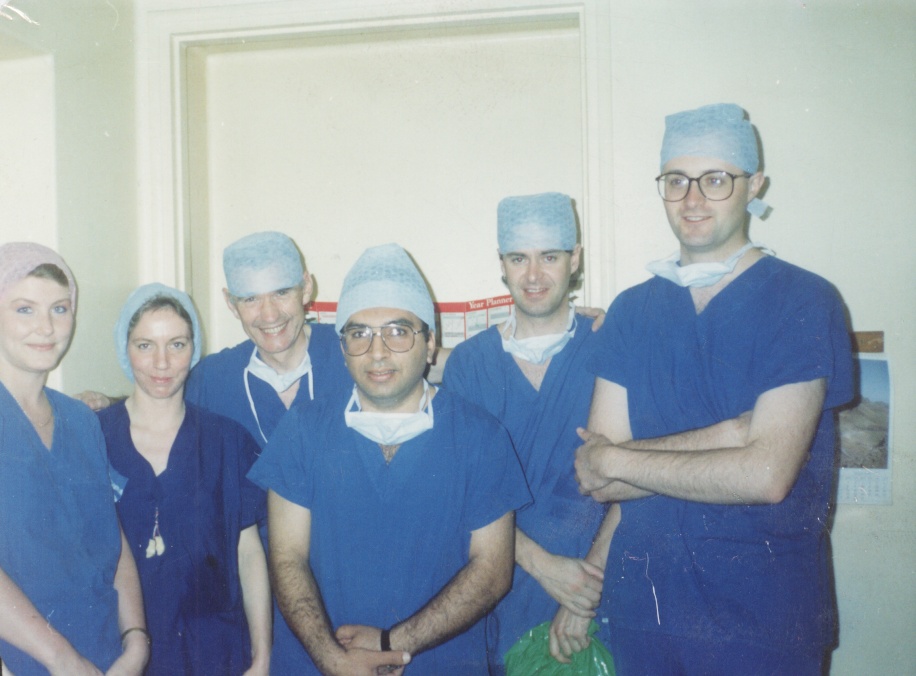
Training in London widened both professional horizons and personal perspective. Exposure to different institutions and medical cultures reinforced an enduring idea: that difficult problems rarely have only one valid approach.
A second professional home
Jeddah became far more than a place of employment. Over the following decades, clinical work, teaching, scientific friendships and family life became woven into a long Saudi chapter.

The other language
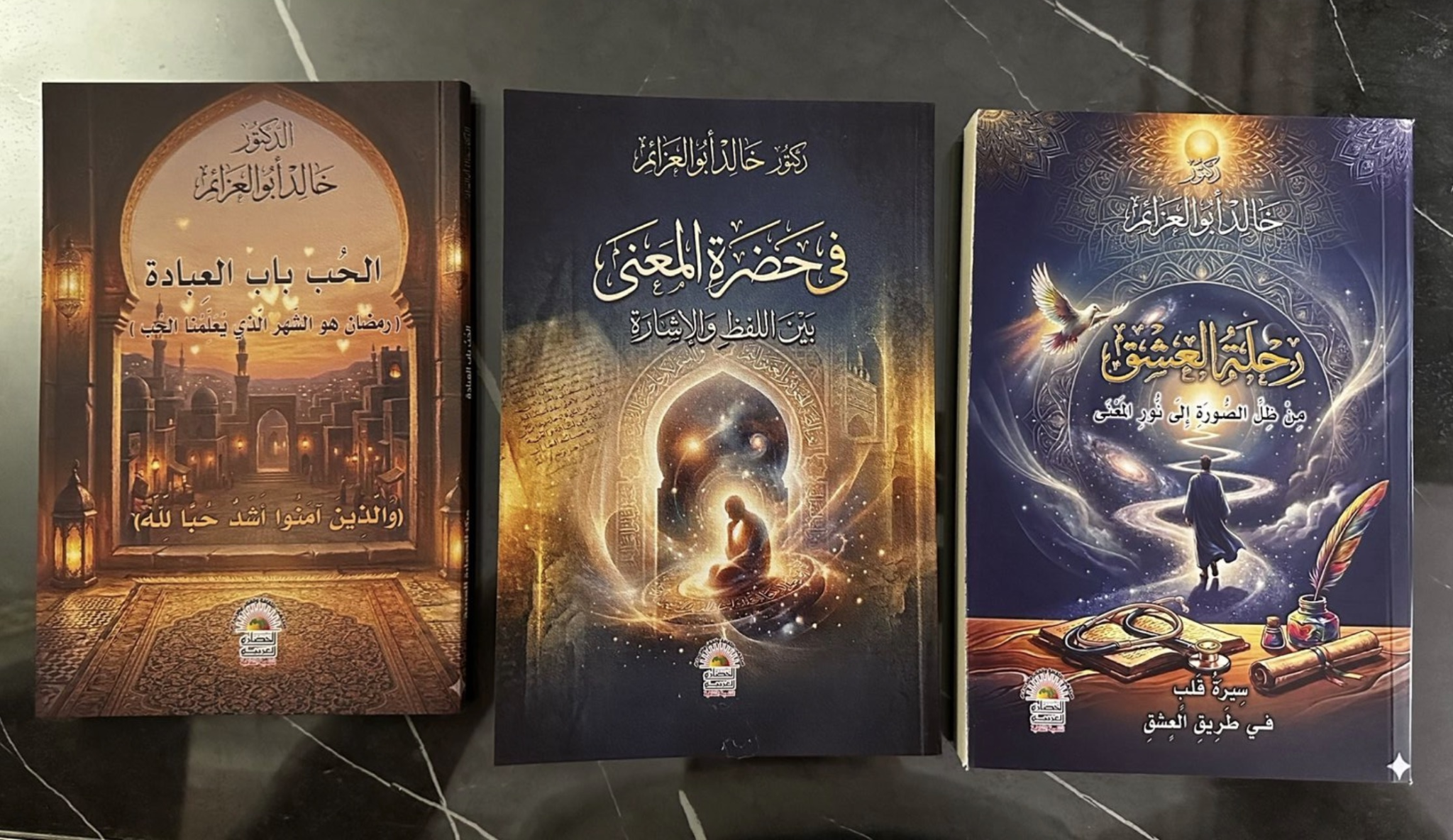
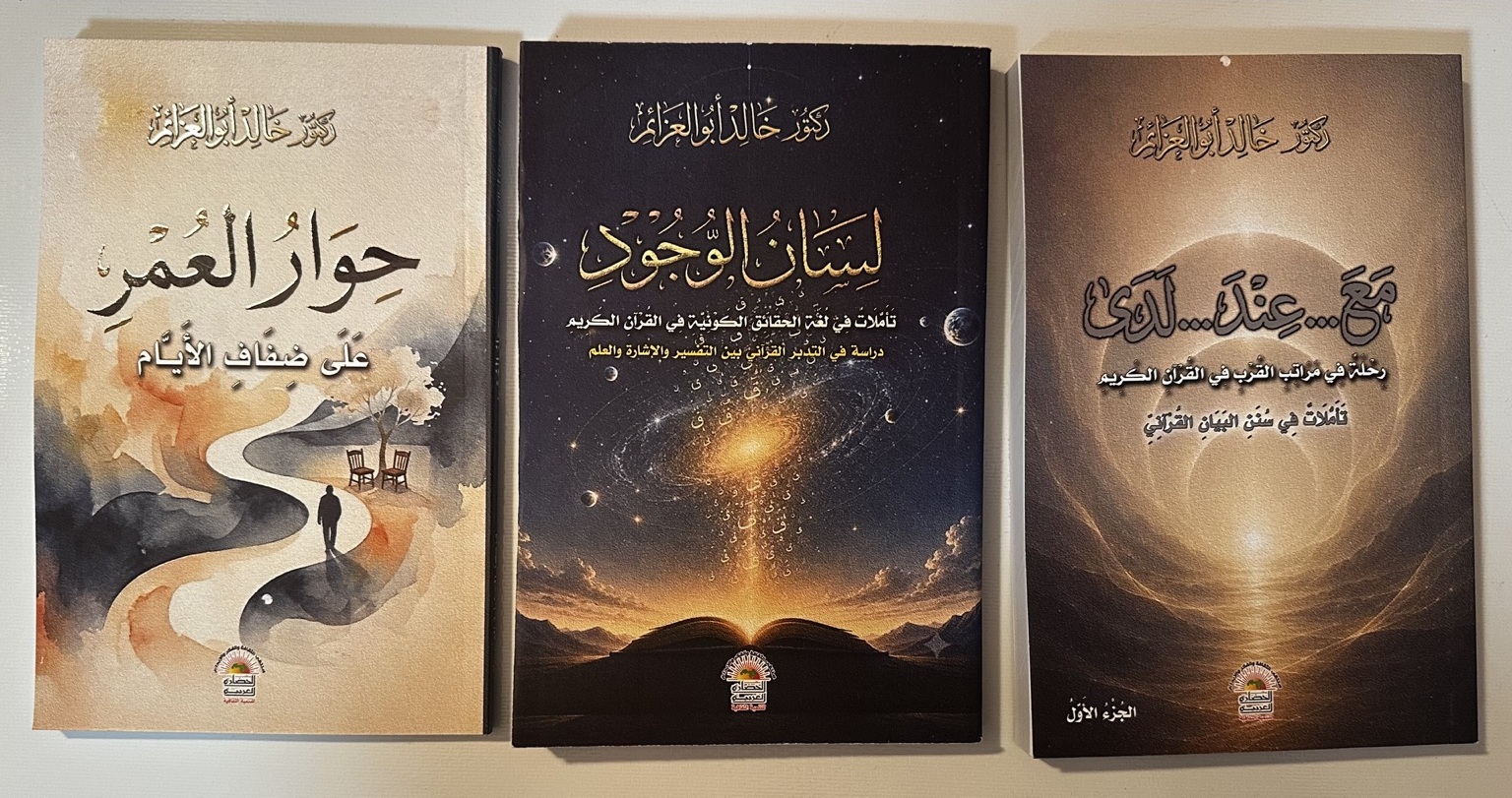
Poetry preceded the mature medical career and never disappeared. Later writing expanded into memoir, spiritual reflection, love, beauty, Qur’anic contemplation and the interpretation of experience itself.
An inheritance understood as responsibility
With maturity, family heritage became less a privilege than a responsibility: what could be added to what had been inherited? That understanding connects the intellectual legacy of Imam Muhammad Madi Abu-El-Azayem with the contemporary charitable work of the family foundation.
A person does not finish becoming who he is
The child, student, surgeon, teacher, reviewer, poet and older man looking back across decades are not separate people. Each remains within the others. The most accurate final line is therefore not a conclusion: the journey continues.