BOOKS & WRITING

A Life Read Twice

Words entered Prof. Dr. Khaled Abu-El-Azayem’s life long before he thought of becoming an author. Poetry began in his youth, written quietly and kept for years as a private record of feeling, memory and wonder. Only much later did he return to those early words and discover that, alongside his journey in medicine, another journey had been unfolding: a journey through poetry, love, memory and meaning.

Some of those early poems were born from human love, beauty and longing. With time, the same questions opened into wider territories: the meaning behind the image, the spiritual language of love, memory and the passage of years, and eventually the language of the Qur'an and the signs of existence itself. The words remained, but the reader of those early words had changed too.

This page brings together books written at different stages of one continuing journey. Some recorded experience as it was lived; others returned to earlier experience years later, rereading it in the light of what time, knowledge, and life had added. Writing thus becomes a way of preserving memory, returning to experience, and opening deeper questions.

01

POETRY & THE FIRST LANGUAGE

The Words That Came
Before the Books

THE COMPLETE POETIC WORKS

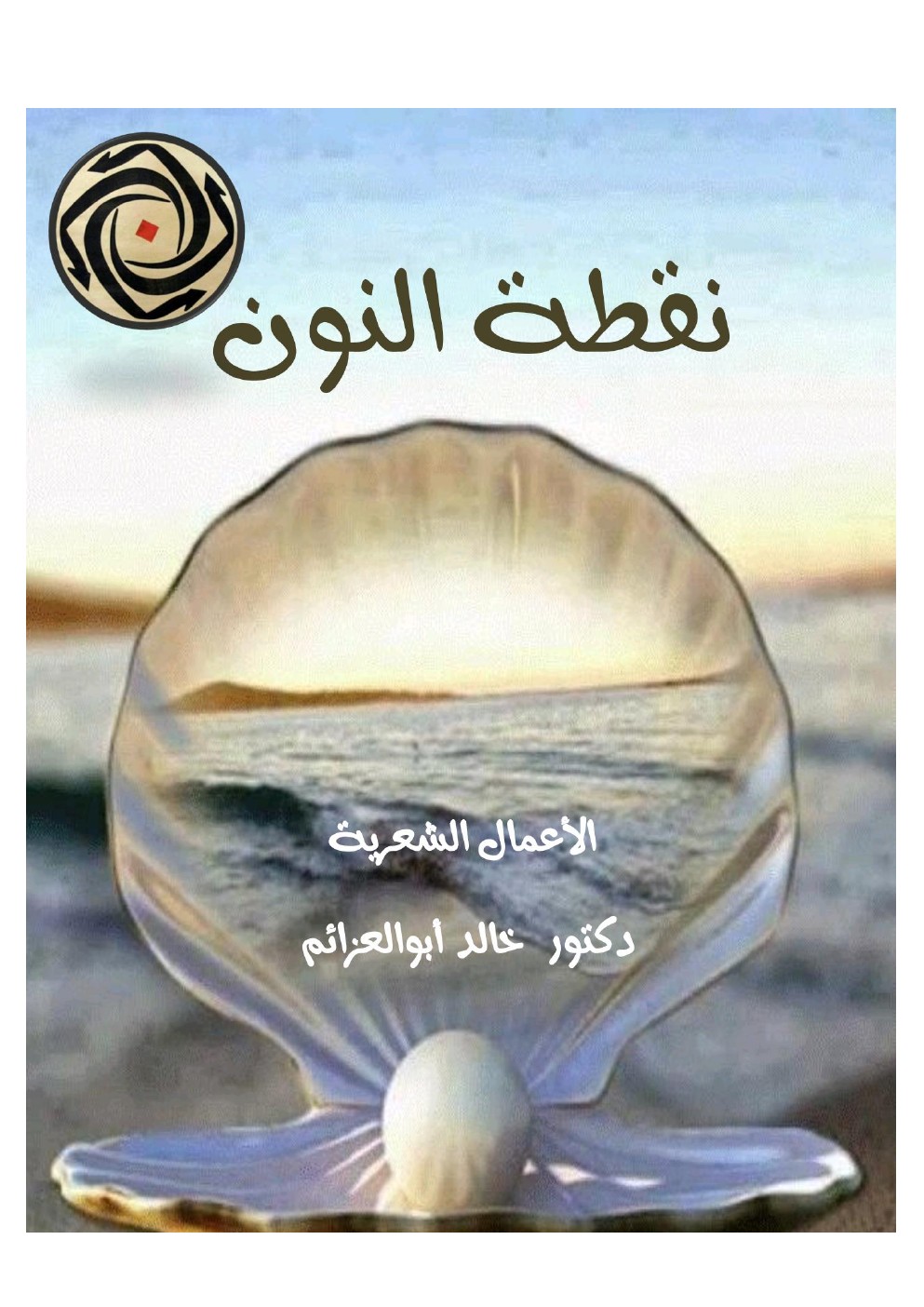
Noqtat Al-Noon نقطة النون

Noqtat Al-Noon is not a single poetry collection in the conventional sense, but the complete poetic works of Prof. Dr. Khaled Abu-El-Azayem, bringing together four earlier collections: Raheb fi Mihrab Al-Hob, Ramad Qalb, Al-Farasha Al-Hamqaa, and Lahn Al-Sukoon, before concluding with the poem “Noqtat Al-Noon” and its spiritual and allusive commentary.

The collection extends from the early poems of youth in the 1970s and 1980s to poetry of emotional and spiritual maturity. It can therefore be read as the biography of a heart rather than a group of adjacent texts, recording transformations in love, estrangement, pain, faith, and the search for meaning.

Across this journey, love moves from wonder at human beauty, through separation and the burning of the heart, toward the discovery that created beauty may carry a trace of a higher beauty and that human love may become an entry into love in its spiritual meaning. The poem “Noqtat Al-Noon” becomes the point at which these stages converge, rereading human love, longing, and estrangement in the light of a wider spiritual experience.

Explore the Complete Poetic Works
02

LOVE, BEAUTY & THE INNER JOURNEY

When Poetry Became a Way of Reading the Heart

The poems came first. Years later came the desire to return to what had moved beneath them: love, beauty, longing and the spiritual meanings that experience gradually revealed. Across these books, earlier emotions are revisited with a different awareness, and love becomes a path through which the heart reads itself, its relationship with others, and its longing for the Divine.

LOVE AND THE SUFI TRADITION

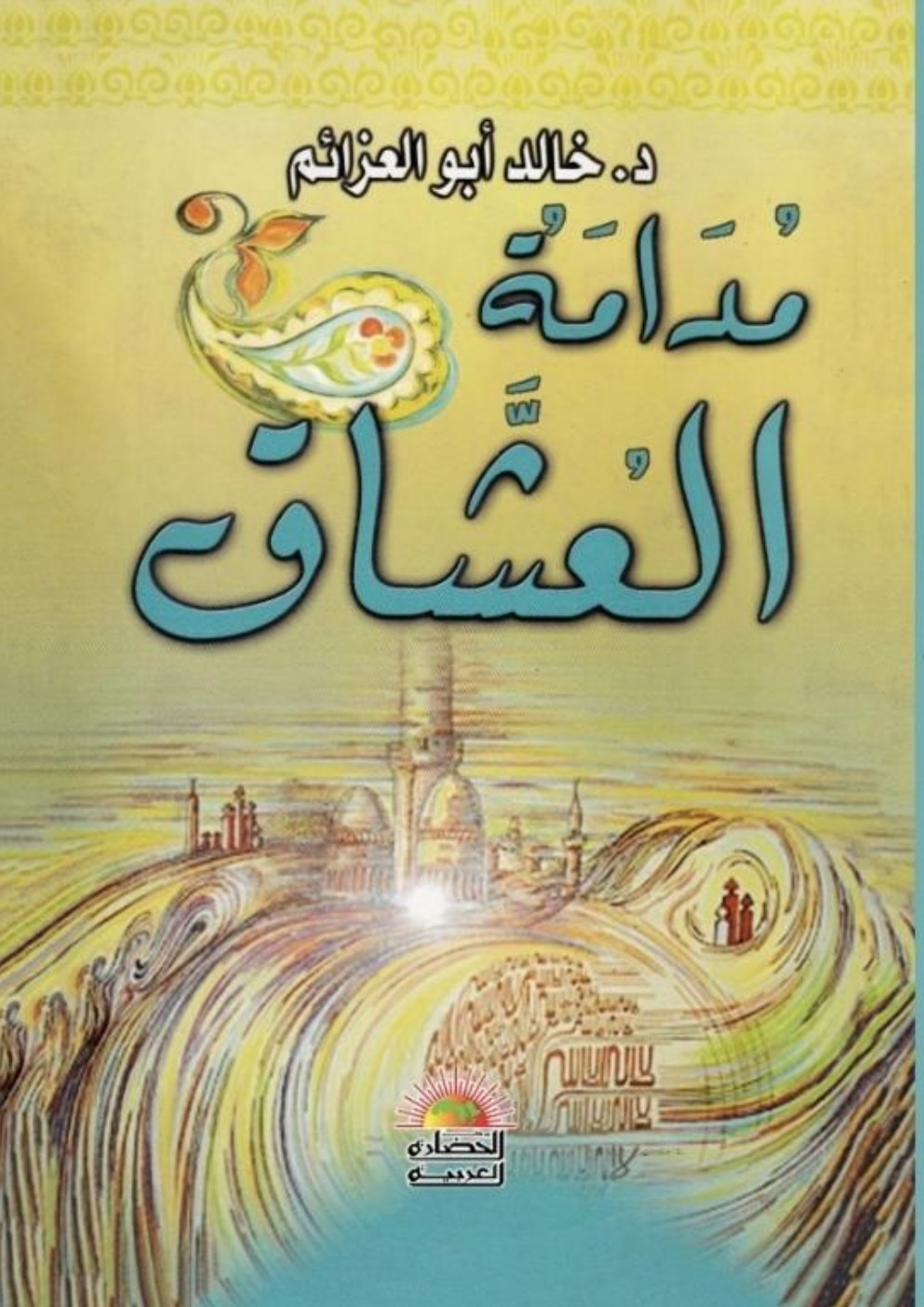
Madamat Al-Ushshaq مُدامة العشاق

The Wine of the Lovers is a study of Sufi poetry and spiritual experience. Its first edition appeared in 2010 and its second in 2021. The book developed over almost three decades, with portions written in Cairo, London, Jeddah, and Germany.

Its earliest inspiration came when the author’s maternal uncle, Al-Bashir Madi Abu-El-Azayem, gave him an old copy of ʿAbd al-Ghani al-Nabulsi’s commentary on the poetry of ʿUmar Ibn al-Farid shortly before his death. The author took the book to London in 1991, where exile and longing for family and homeland merged with intensive reading of Ibn al-Farid and the meanings of divine love, inspiring the poem “Noqtat Al-Noon.” The project was revived years later through his reading of the heritage of Imam Mohammed Madi Abu-El-Azayem and what his disciples recorded about spiritual progress and the stations of faith, excellence, and certainty.

Explore the Book

RAMADAN AND THE EDUCATION OF THE HEART

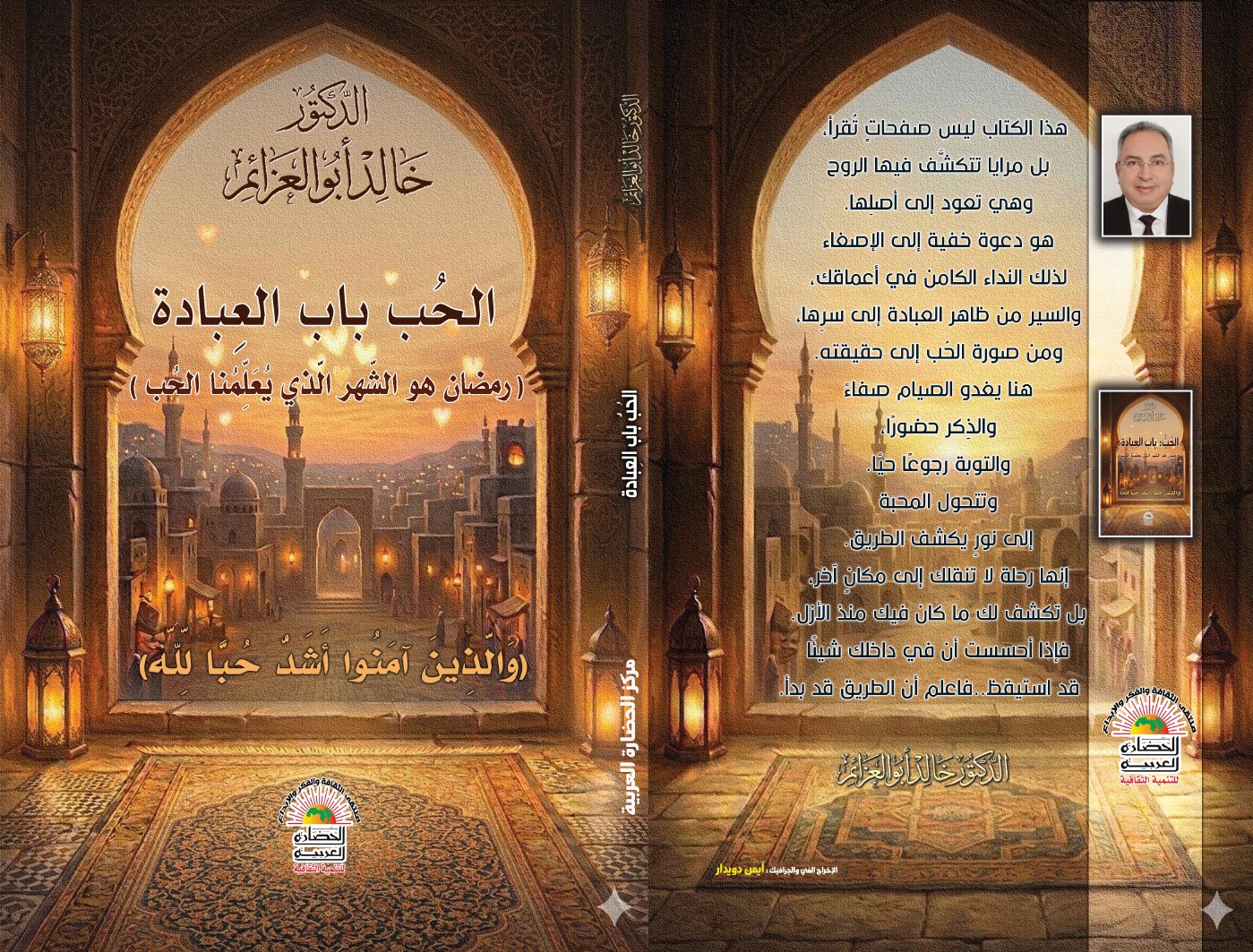
Love as a Gateway to Worship الحُب باب العبادة

Love Is the Gateway to Worship begins from a spiritual vision in which worship, at its deepest level, is more than a collection of outward acts. It is a journey of the heart as it renews its relationship with God, frees itself from heedlessness and self-attachment, and returns to the primordial covenant in which the souls testified to their Lord: “Am I not your Lord?” They said, “Yes.”

The author chooses Ramadan as the setting for this journey, dividing the book into thirty nights followed by the night and first day of Eid. Each night represents a station on the path to God, beginning with love, fasting, night prayer, and repentance, then moving through sincerity, patience, contentment, intimacy, light, striving, gratitude, trust, pure love, nearness, spiritual poverty, liberation, annihilation, subsistence, and steadfastness. When the month ends, the journey does not: the heart moves from seclusion with God toward fulfilling the rights of others and carrying the effects of worship into life.

Explore the Book

FROM THE SHADOW OF THE IMAGE TO THE LIGHT OF MEANING

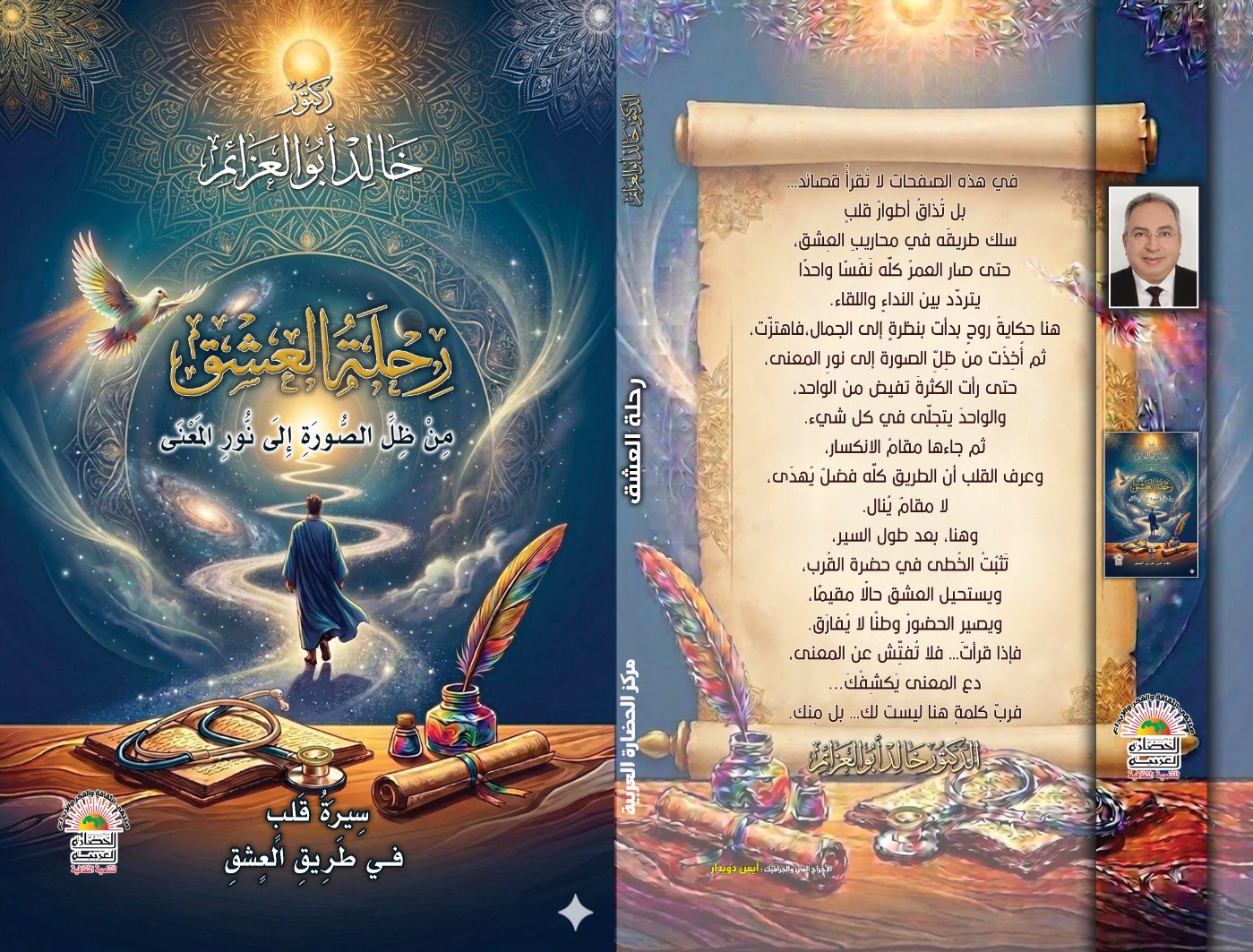
The Journey of Love رحلة العشق

The Journey of Love: From the Shadow of the Image to the Light of Meaning studies four poems written by the author at widely separated stages of his life. Looking back many years later, he discovers that they were not independent texts but successive chapters in the journey of a single heart. The language, imagery, and degree of awareness changed from poem to poem, yet one secret flowed through them all: the search for the source of beauty, the movement from human love toward the divine meaning shining behind created forms, then humility and brokenness before God, and finally the tranquillity of mature love and spiritual subsistence.

Explore the Book

BETWEEN WORD AND ALLUSION

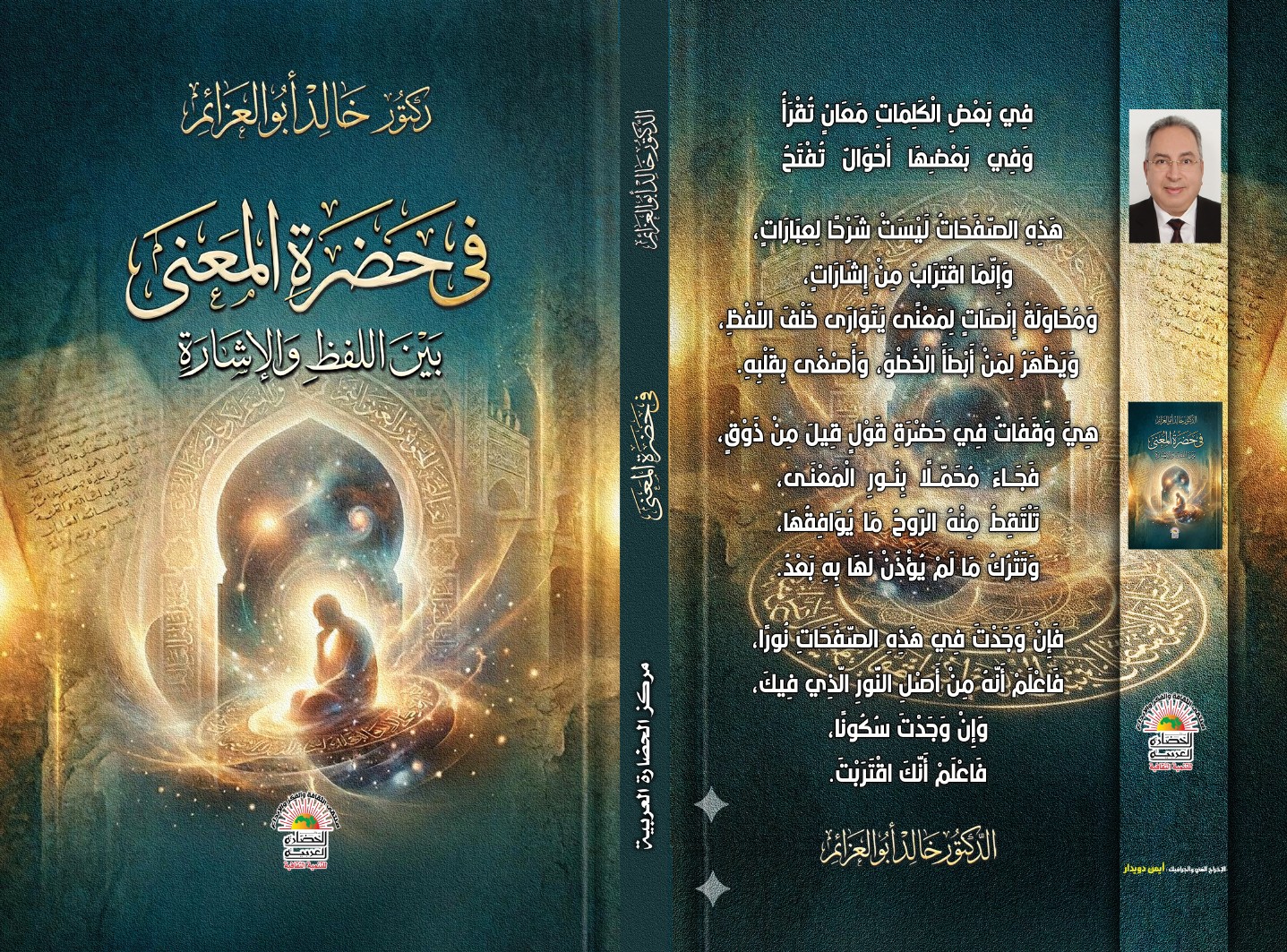
In the Presence of Meaning في حضرة المعنى

In the Presence of Meaning offers a contemplative reading of selected sayings, poems, and spiritual allusions by Imam Mohammed Madi Abu-El-Azayem. The author does not treat these texts as statements to be explained only through direct linguistic analysis; he regards them as gateways to meanings wider than their words, arising from spiritual experience and settling into concise expressions.

Explore the Book

And then came another kind of return.

Not only to the poems, but to the life in which they had been written.

03

MEMORY & THE RETURN TO EARLIER WORDS

A Life Revisited Across Generations

There came a point when returning to the past no longer meant remembering what had happened. It meant asking what those events had made of the person who lived them.

ON THE SHORES OF THE YEARS

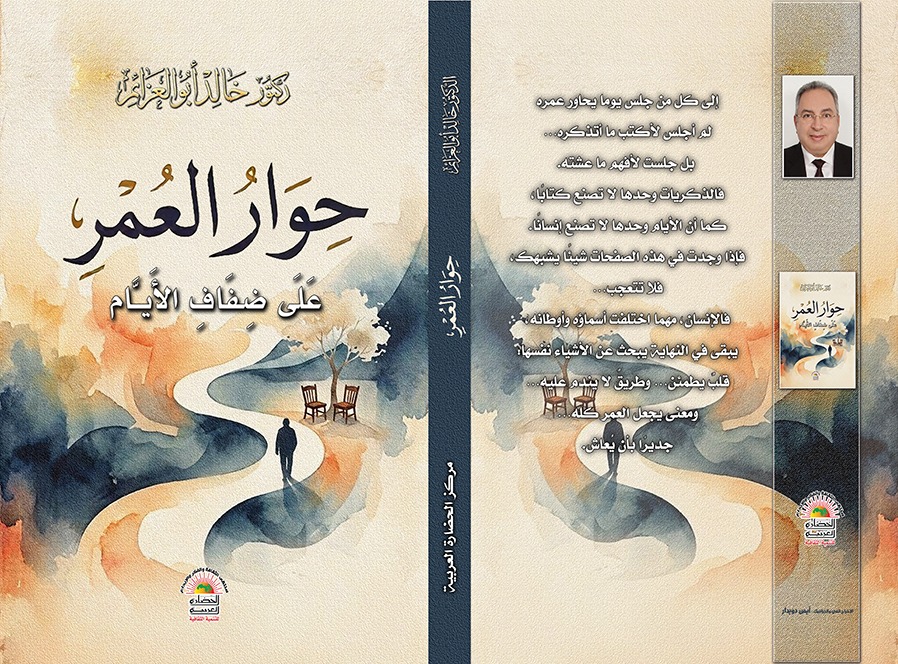
A Dialogue with a Lifetime حوار العمر: على ضفاف الأيام

A Dialogue with a Lifetime: On the Banks of the Days is a reflective, autobiographical narrative tracing the author’s journey from his ancestral roots and childhood to his university years and the beginning of the relationship that would eventually become his family life. The story takes the form of a warm conversation between the author and his eldest granddaughter, Alma, who enters his study carrying three of his books: The Wine of the Lovers, The Journey of Love, and In the Presence of Meaning. She has tried to read them but finds their language and ideas difficult to understand, and asks who wrote these words and how they can be understood.

Her question opens a door that has remained closed for many years. The grandfather realizes that the books represent the later stages of a long intellectual and spiritual journey. To understand them, Alma must first understand the person who wrote them: the family that raised him, the places that shaped him, the Qur’an that formed his consciousness, the poetry that gave him a language for emotion, and the experiences that wounded, healed, and transformed him. Thus the dialogue becomes more than memory; it becomes an exploration of the hidden forces that shape a human being before that person understands their influence.

Explore the Book

From reading a life, the journey moved
toward reading meaning itself.

The Qur'an, the human being and the world now came into the same field of contemplation.

04

QUR'AN, HUMAN REALITY & THE ARCHITECTURE OF EXISTENCE

The Qur'an, the Human Being and the Deeper Patterns of Meaning

In the later writings, the direction of inquiry widened again. Questions that had first emerged through poetry, love and memory began to meet the Qur'an, the human being and the world of creation. These books belong to a continuing project of contemplation. They begin with the Qur'anic text and allow its language to open questions about meaning, creation and the human experience, while preserving the distinction between contemplation, interpretation and scientific theory.

REFLECTIONS ON THE LANGUAGE OF COSMIC REALITIES IN THE QUR'AN

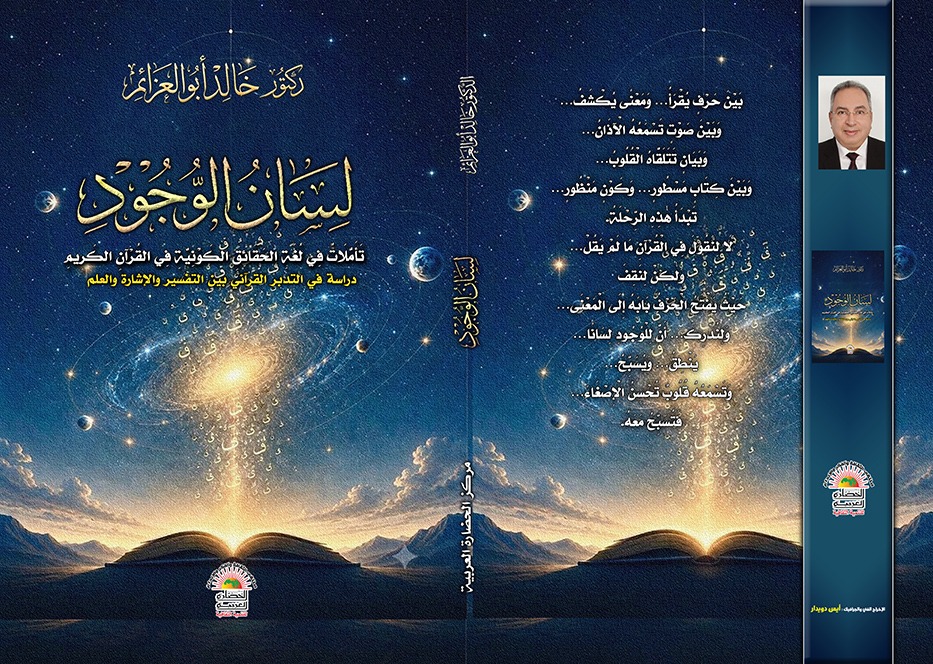
The Tongue of Existence لسان الوجود

The Tongue of Existence begins with an apparently simple question: What is language? Is it merely letters, sounds, and words, or are these only vehicles carrying something deeper—meaning? The question gradually widens into the forms of communication described in the Qur’an: how God spoke to Moses, how Solomon understood birds and the ant, how human skin will testify, how the earth will recount its news, what the glorification of created beings means, and how humanity heard the primordial covenant: “Am I not your Lord?” They said, “Yes.”

Explore the Book

REFLECTIONS ON THE PATTERNS OF QUR'ANIC EXPRESSION | VOLUME I

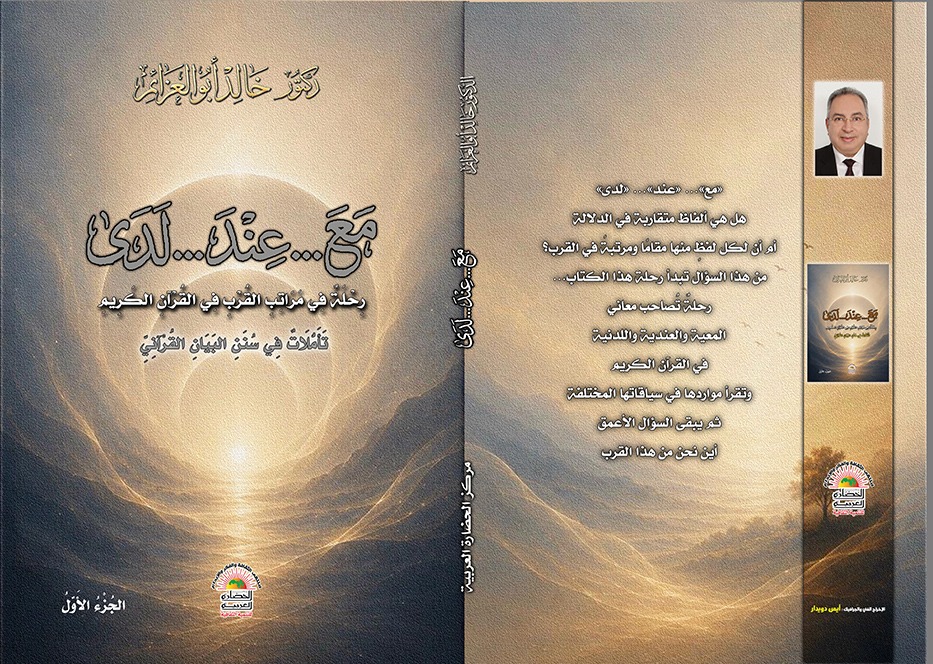
Ma'a... 'Inda... Lada مَعَ... عِنْدَ... لَدَى

The book begins with a subtle linguistic observation concerning three Qur’anic expressions that appear close in their general meaning: maʿa, ʿinda, and ladā. All can indicate forms of nearness, yet the Qur’an does not use them randomly or interchangeably. Each expression has its own field and context, and their collected occurrences reveal differing degrees of nearness.

The central question is why the Qur’an says in one place, “Indeed, God is with those who are mindful of Him and those who do good,” elsewhere, “Indeed, those who are with your Lord,” and in another passage, “We gave him mercy from Us and taught him knowledge from Our own presence.” Are these simply different ways of expressing one meaning, or does their variation reveal a Qur’anic pattern of increasingly particular degrees of nearness and special relation?

Explore Volume I

Further volumes in the series are currently in preparation.

WORKS IN PREPARATION

The Journey Continues

Writing remains an ongoing part of the journey. Several new works are currently being developed, extending earlier questions into new territories of spiritual reflection, human reality, Qur'anic expression and the changing conditions of contemporary life.

IN PREPARATION

In the Sanctuary of Love في محراب العشق

A continuing spiritual and contemplative reading of poetry, love and the inner experience of longing.

IN PREPARATION

The Human Reality الحقيقة الإنسانية

Reflections on the human being, consciousness, choice and the deeper questions of human existence within the Qur'anic horizon.

IN PREPARATION

The Post-Scarcity Age عصر ما بعد الندرة: يوتوبيا أم ديستوبيا؟

A reflection on abundance, technology and the human future, asking what may become of meaning, work and responsibility when scarcity no longer defines life as it once did.

IN PREPARATION

Further Volumes تأملات في سنن البيان القرآني

Further studies within the continuing project of contemplating the precision, patterns and distinctive choices of Qur'anic expression.

The words changed. The questions deepened. The journey continued.

The words changed, the questions deepened, and the spaces of reflection widened, while the search for meaning remained the thread connecting these books. Each book was born from a particular stage, and each stage opened another way of understanding the human being and life, until writing itself became part of a continuing journey of questioning and awareness.